Budget airline fees explained: what you actually pay
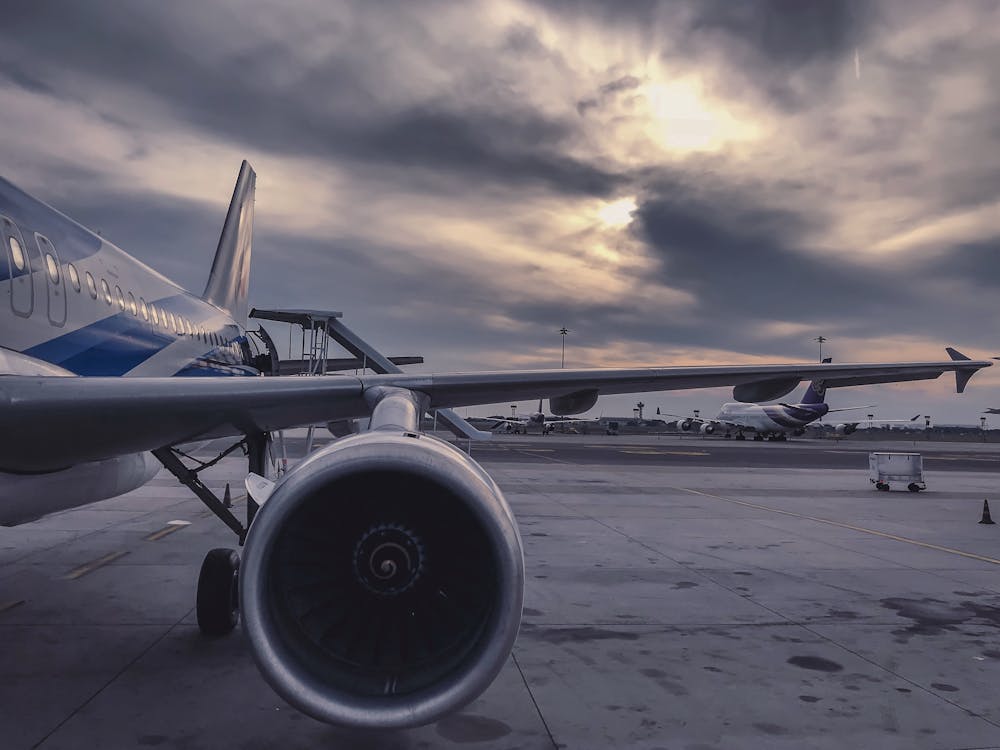
Budget airline fees can triple your ticket price through baggage charges ($35-$80), seat selection ($25-$100), booking fees ($22.99), and dozens of other add-ons that transform a $49 base fare into a $200+ total cost. US travelers now pay over $8 billion annually in baggage fees alone according to SkySonar's March 2026 analysis, while ancillary fees account for over 20% of total airline revenue industry-wide.
The promise of ultra-cheap flights has become a complex maze of optional extras. What started as transparent budget travel has evolved into sophisticated revenue engineering where airlines like Frontier generate over 60% of their income from add-on fees. Understanding these charges before booking can save hundreds of dollars on your next trip.
When comparing budget carriers through platforms like TravelScanner.AI, the base fare represents just the beginning of your actual travel costs. The real expense emerges through a careful calculation of every potential add-on.
How Budget Airline Fees Actually Work
Budget airlines operate on an unbundling model where traditional airline services are separated into individual purchasable items. The Bureau of Transportation Statistics (2025) reports that US airlines collectively earned close to $5.5 billion in baggage fee revenue during 2025 alone, representing a massive shift in how carriers generate profit.
The base ticket price covers only your seat on the plane. Everything else becomes an optional purchase. Carry-on bags, checked luggage, advance seat selection, in-flight meals, beverages, priority boarding, and even printing boarding passes at the airport all carry separate fees.
This pricing strategy allows airlines to advertise extremely low headline prices while generating substantial revenue from passengers who need these services. Dan Beauchamp, VP Consulting at Amex GBT, notes that "Airlines are expanding their offerings through new products and pricing models, giving businesses more choice but adding opaqueness to travel program management."
The psychological impact is significant. Travelers see the low base fare, begin the booking process, then encounter mounting charges that can double or triple the advertised price. By this point, many passengers have invested time in the booking process and proceed despite the higher total cost.
Baggage Fees Drive the Biggest Revenue
Baggage charges represent the largest category of budget airline fees. The typical first checked bag fee reached $45 in 2026, an increase of $10 from previous years according to NerdWallet's April 2026 analysis. Carry-on bag fees have become particularly aggressive, with ultra-low-cost carriers charging $35-$80 for overhead bin access.
Savanthi Syth, managing director at Raymond James, explains the economics: "Most U.S. airlines, interestingly, ultra-low-cost carriers, they charge more for a carry-on bag than a checked luggage because with [a] carry-on bag, it takes longer to turn a plane around. So it's more cost savings if you check your luggage for them than if you carry it on."
Weight restrictions add another layer of fees. Overweight baggage typically costs $50-$200 per bag depending on how much it exceeds the limit. Oversized items like golf clubs or musical instruments can cost $150-$300 each way. These fees apply regardless of whether you're traveling domestically or internationally.
European carriers like Ryanair have perfected this model, earning 4.3 billion euros from ancillary extras out of their total 13 billion euro revenue in 2026. That represents a third of their total income coming from add-on fees rather than ticket sales.
Smart travelers using TravelScanner.AI can compare total journey costs including baggage fees across multiple carriers simultaneously, revealing which "budget" option truly offers the best value.
Seat Selection and Comfort Fees
Advance seat selection has become a significant revenue source for budget carriers, with fees ranging from $5 for middle seats to over $100 for premium locations. Front-row seats, extra legroom options, and aisle seats in popular sections command the highest prices.
Airlines have restructured cabin layouts to create more fee-generating opportunities. They've reduced the number of free seats while expanding premium seat categories. Some carriers designate entire sections as "preferred seating" with mandatory fees, leaving only middle seats in the back rows available for free selection.
The passenger spending on extras has risen to $25 per person, an increase of $11 compared to ten years ago according to AltexSoft's October 2025 research. This represents a 78% increase in ancillary spending per passenger over the decade.
Exit row seats command premium prices despite the additional responsibilities they entail. Emergency exit seating fees typically range from $25-$80 depending on route length and demand. Window seats on scenic routes or aisle seats on long flights can cost $40-$60 above the base fare.
The strategy extends to families traveling together. Airlines often separate family bookings during the free seat assignment process, then charge reunion fees to sit together. Parents frequently pay $20-$50 per person to ensure children can sit with adults.
Hidden Booking and Processing Fees
Payment processing represents another fee category that catches travelers off guard. Booking fees now average $22.99 per transaction across major budget carriers, while credit card processing fees add another 2-3% to the total purchase. Some airlines charge extra for using any payment method other than their branded credit card.
Phone booking fees punish customers who need human assistance, typically costing $25-$40 per ticket. Airport counter fees for check-in or ticket changes can reach $50-$75, encouraging passengers to complete all transactions online. Even printing boarding passes at the airport costs $5-$15 with some carriers.
Cancellation and change fees vary dramatically but can exceed the original ticket price. Budget carriers typically charge $75-$200 for schedule changes, plus any fare difference. Refunds often come with processing fees that can consume 20-30% of the ticket value.
International bookings face additional currency conversion fees and foreign transaction charges. These typically add 2-4% to the total cost and appear separately on credit card statements, making them difficult to track during the booking process.
Food, Beverage, and Service Fees
In-flight service has become entirely fee-based on budget carriers. Water costs $3-$5 per bottle, while soft drinks range from $4-$7. Alcoholic beverages start at $8-$12 for beer and reach $15-$20 for cocktails. A simple sandwich typically costs $12-$18.
Priority boarding fees range from $15-$40 per person, allowing earlier cabin access and overhead bin space. Fast-track security fees add another $10-$25 in applicable airports. Some carriers charge for basic services like using overhead bins or reclining seats.
Wi-Fi access costs $8-$20 for domestic flights and $15-$40 for international routes. Power outlet access can cost $5-$10 on some carriers. Entertainment system fees range from $5-$15 for movie and TV access.
Pet transportation fees vary significantly, from $75-$150 for small cabin pets to $200-$500 for checked pet transport. Service animal accommodation, while legally required to be free, often involves complex documentation requirements that some carriers use to discourage applications.
Comparing True Costs Across Budget Airlines
When analyzing total travel costs, the gap between advertised prices and final charges has grown substantially. Our analysis of ten major budget carriers reveals significant variations in fee structures and total journey costs.
| Airline | Base Fare | Carry-On Fee | Checked Bag | Seat Selection | Total Cost |
|---|---|---|---|---|---|
| Spirit Airlines | $89 | $65 | $45 | $25 | $224 |
| Frontier Airlines | $79 | $60 | $45 | $30 | $214 |
| Allegiant Air | $69 | $75 | $50 | $20 | $214 |
| Southwest Airlines | $159 | $0 | $45* | $0 | $204 |
| JetBlue Airways | $149 | $65 | $45 | $15 | $274 |
*Southwest's checked bag fees began in May 2025, ending their historic free baggage policy. The comparison shows how traditional "budget" carriers often cost more than legacy airlines when fees are included.
This analysis demonstrates why platforms like TravelScanner.AI focus on total journey cost rather than base fares. The cheapest advertised price rarely represents the best value once necessary services are included.
Understanding the Psychology Behind Drip Pricing
Budget airlines employ "drip pricing" tactics that reveal costs incrementally throughout the booking process. The Secret Flight Club (2026) estimates these practices cost consumers £1.6 billion annually through incomplete price disclosure and psychological manipulation.
The strategy exploits several cognitive biases. Loss aversion makes passengers reluctant to abandon bookings after investing time in the process. The endowment effect creates attachment to the specific flight once selected. Anchoring bias makes additional fees seem reasonable compared to the effort already invested.
Airlines sequence fee disclosure strategically, introducing the most essential charges first when passengers are most committed to completing the purchase. Optional extras appear later in the process when decision fatigue reduces resistance to additional costs.
Going's State of Travel (2026) reports that fewer people are willing to book budget airlines, with acceptance dropping from 50% in 2025 to 44% in 2026. Consumer awareness of total costs has increased scrutiny of budget carrier value propositions.
Regulatory Environment and Consumer Protection
The regulatory situation around airline fee disclosure has shifted significantly. Recent policy reversals have reduced consumer protections, including the cancellation of meal and hotel accommodation mandates for service disruptions and the reversal of automatic refund policies for delays exceeding certain timeframes.
Changes particularly impact budget airline passengers, who have fewer alternative options during disruptions and less influence for compensation claims. Ultra-low-cost carriers benefit from reduced service requirements while maintaining complex fee structures.
The Department of Transportation continues to require basic fee disclosure but enforcement mechanisms have weakened. Airlines must display baggage fees prominently but can still introduce processing fees, payment method charges, and service fees during checkout.
International regulations vary significantly. European Union passenger rights remain stronger than US protections, while some developing markets have minimal fee disclosure requirements. This creates confusion for travelers booking international itineraries through multiple jurisdictions.
Smart Strategies for Budget Airline Travel
Successful budget airline travel requires careful fee management and realistic cost expectations. The most effective approach involves calculating total journey costs before booking rather than chasing advertised base fares.
Pack strategically to avoid baggage fees entirely. Personal items that fit under seats remain free on most carriers. Wearing heavy items like boots and jackets rather than packing them can save significant weight charges. Rolling clothes tightly and using compression techniques maximizes space efficiency.
Book directly with airlines to avoid third-party processing fees, but compare total costs first using comprehensive platforms. Check-in online and download mobile boarding passes to avoid airport printing fees. Complete seat selection during initial booking when prices are typically lowest.
Consider membership programs that waive certain fees. Some budget carriers offer annual subscriptions that include baggage allowances and priority services. Programs can provide value for frequent travelers on specific routes.
Time your booking carefully. Fees for baggage and seat selection often increase as departure approaches, similar to dynamic ticket pricing. Adding services during initial booking typically costs less than modifications later.
Find True Flight Value with TravelScanner.AI
Stop getting surprised by hidden airline fees. TravelScanner.AI compares total journey costs across hundreds of airlines and booking sites, including baggage fees, seat selection, and other charges. See the real price before you book, not after. Start your transparent flight search now.
The Bottom Line
Budget airline fees have fundamentally changed air travel economics. What appears as a $49 fare can easily become $200+ once necessary services are included. The industry's shift toward ancillary revenue generation means passengers must become sophisticated consumers who calculate total journey costs rather than comparing base fares.
Understanding fee structures before booking provides the only reliable protection against surprise charges. Carriers like Frontier generate over 60% of their revenue from add-ons, while passenger spending on extras has increased 78% over the past decade. Trends show no signs of reversing.
The most successful approach involves realistic budgeting that includes likely fees, strategic packing to minimize baggage costs, and comprehensive price comparison across all carriers serving your route. Platforms that display total journey costs rather than base fares provide the most accurate picture of true travel expenses.
Budget airlines will likely continue expanding fee categories as passengers adapt to current charges. Staying informed about evolving policies and maintaining flexible travel preferences helps navigate this complex situation while still accessing the genuine value that smart budget airline use can provide.

Comments
Post a Comment